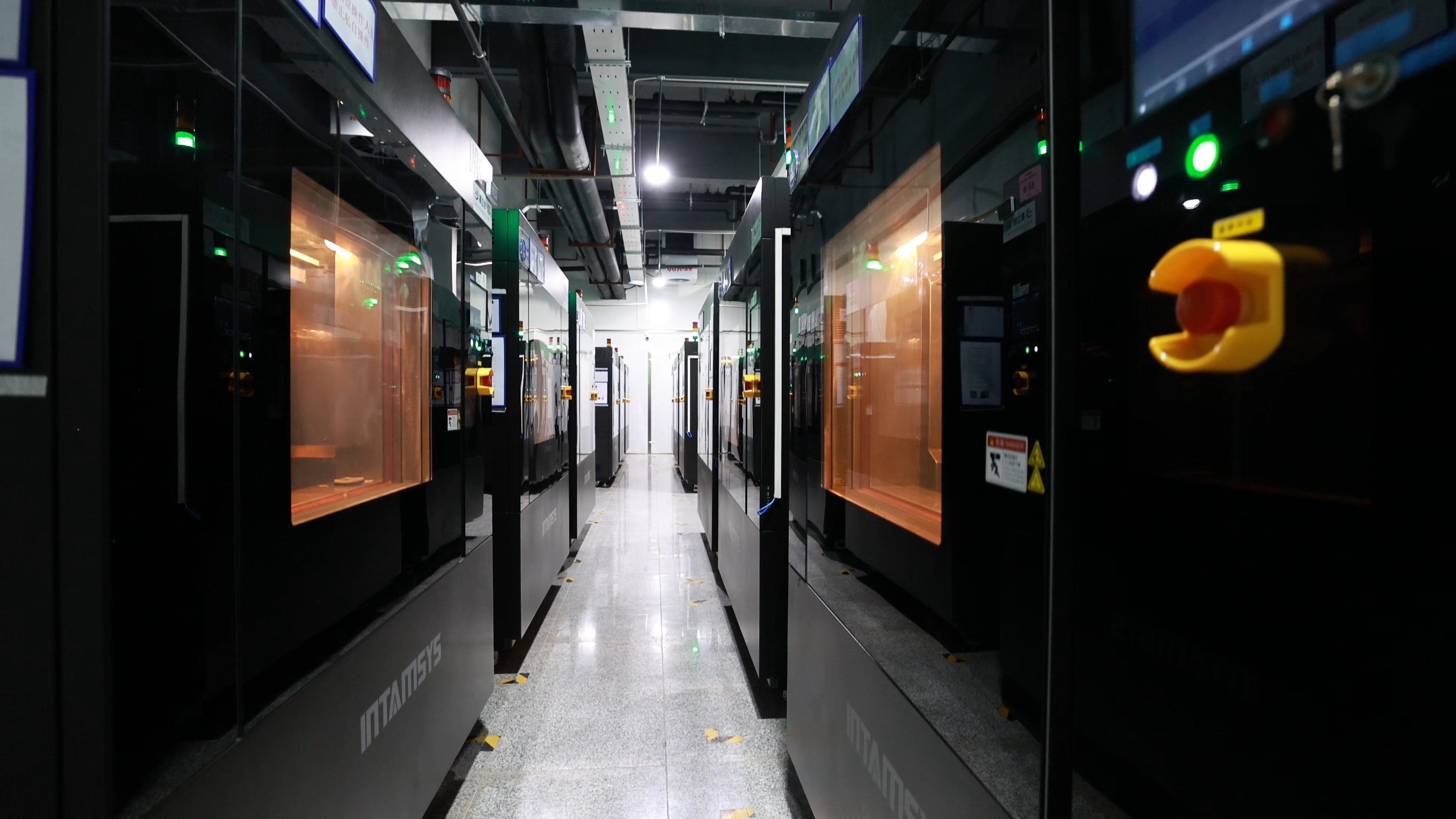
Combining high-performance polymer materials with industrial FFF 3D printing to produce patient-specific cranial implants in just 4 hours at a manufacturing cost of approximately USD 100.
Application figures reported by NOVUS Life Sciences.
In patient-specific medical manufacturing, the ability to produce customized devices quickly, reliably, and cost-effectively is essential to meeting clinical and operational requirements.
Based in Hong Kong, NOVUS Life Sciences Limited specializes in the research, development, and manufacturing of medical-grade FFF 3D printing filaments under its OSSFILA® brand. Serving more than 180 corporate clients across over 80 countries, NOVUS supplies materials and technology to manufacturers of patient-specific implants (PSIs) and other medical devices.
A central part of NOVUS's mission is to overcome the high costs and extended lead times associated with conventional medical device manufacturing, making patient-specific treatments more accessible.
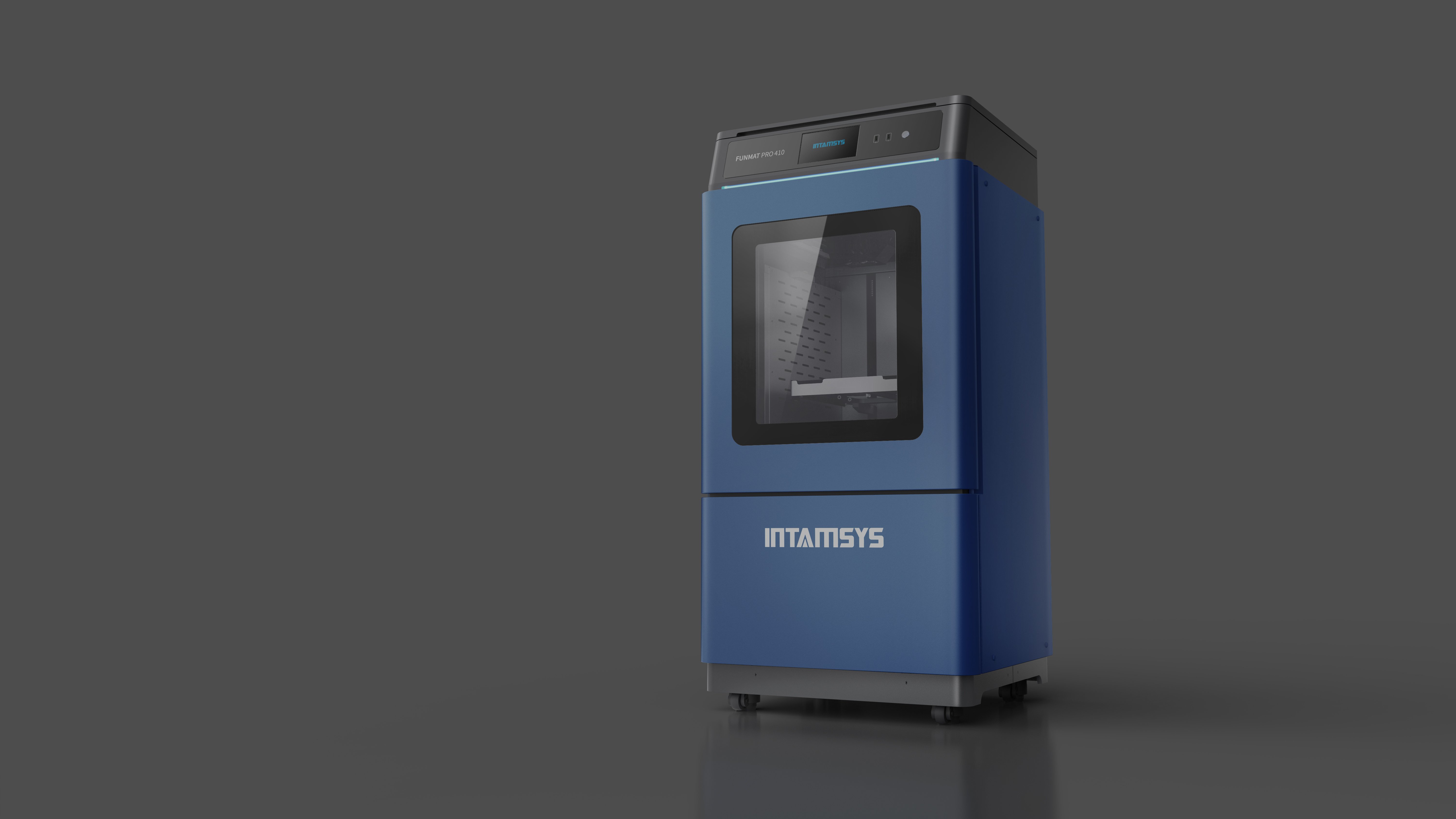
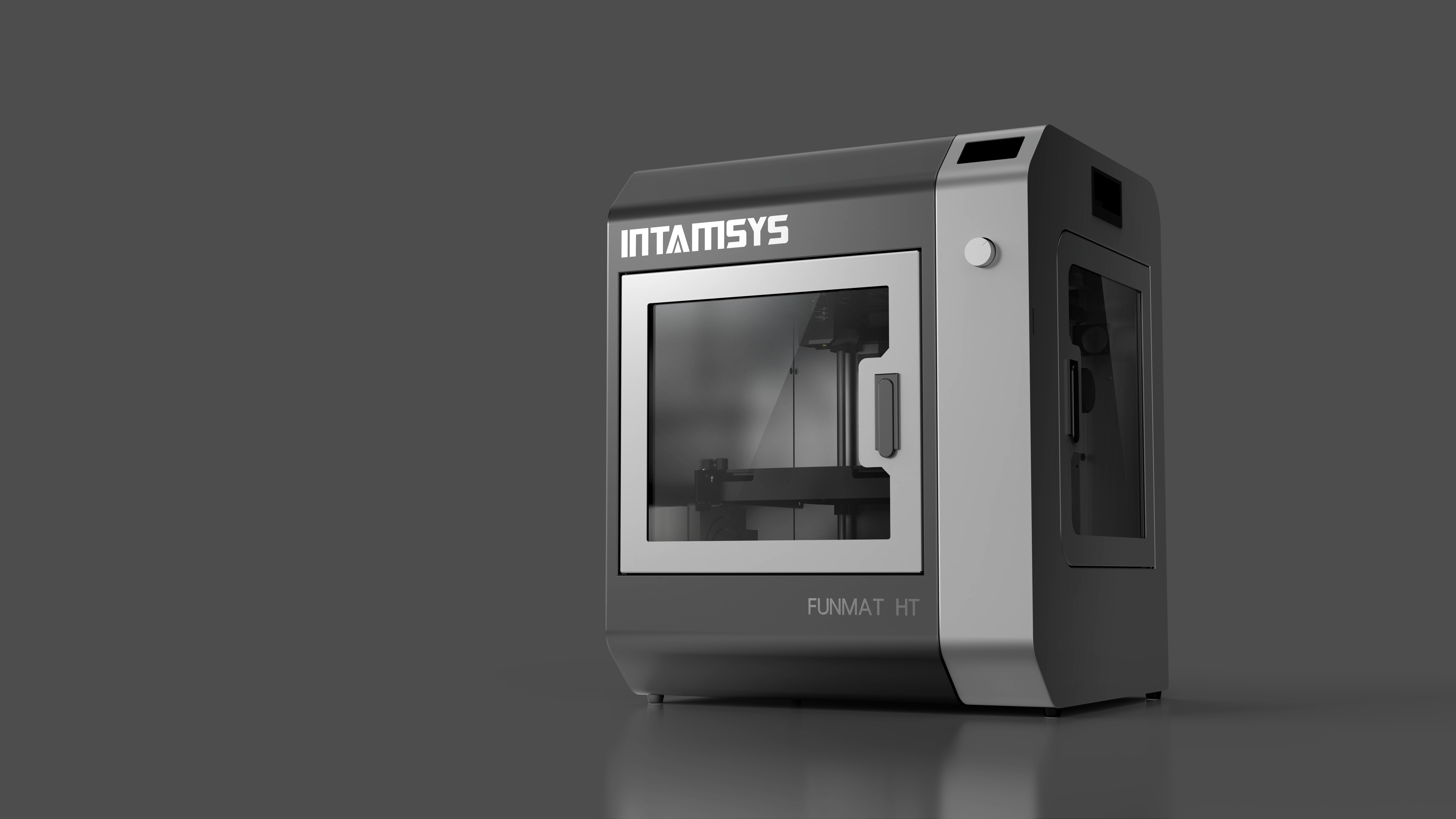
To demonstrate the potential of advanced FFF technology, NOVUS combined its OSSFILA® PEEK filament with the INTAMSYS FUNMAT PRO 310 APOLLO. According to NOVUS, this combination enables the production of a full patient-specific cranial implant in approximately 4 hours at a manufacturing cost of USD 100, compared with conventional market benchmarks of approximately 15 hours and USD 1,000 per implant.
Patient-specific cranial implants must conform to the unique anatomical requirements of individual patients. Traditionally, manufacturing these implants involved CNC machining, outsourced fabrication, or earlier-generation 3D printing systems.
These approaches presented several limitations.
Conventional manufacturing typically required around 15 hours and incurred costs averaging USD 1,000 per implant, according to NOVUS's market benchmarks. Such costs and lead times created logistical challenges, particularly when implants were required within time-sensitive surgical schedules. They also limited accessibility in healthcare systems operating under tight budgets.
Subtractive manufacturing introduced further constraints. Producing complex, organically curved cranial geometries through machining could generate substantial material waste, while intricate lattice structures and controlled porous architectures were difficult or impossible to manufacture using conventional techniques.
FFF 3D printing provides an alternative by enabling complex, patient-matched geometries, on-demand manufacturing, and adjustable implant porosity that can support bone integration.
However, processing high-performance medical-grade polymers such as PEEK introduces significant technical requirements. Industrial-grade hardware capable of operating under demanding thermal conditions is essential to achieving the quality and efficiency required for medical applications.
Conventional PEEK-capable FFF systems have often been constrained by relatively low printing speeds and inconsistent print quality, making it difficult to improve manufacturing efficiency without compromising part reliability.
For NOVUS, the challenge was therefore not simply to print complex medical parts, but to combine material performance, processing consistency, and production speed within a reliable manufacturing platform.
As a specialist manufacturer of medical-grade filaments, NOVUS conducts extensive quality-control printing and material validation throughout its research and development processes.
Its engineering team must evaluate new filament formulations, validate production batches, explore the processing limits of specialized polymers, and help medical device manufacturers optimize printing parameters for their specific applications.
These activities require a high-performance FFF platform capable of consistently processing demanding materials while supporting efficient testing and manufacturing workflows.
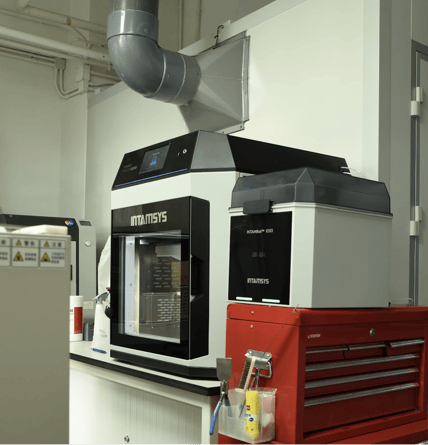
NOVUS selected the INTAMSYS FUNMAT PRO 310 APOLLO for its manufacturing and R&D infrastructure, citing several key engineering capabilities:
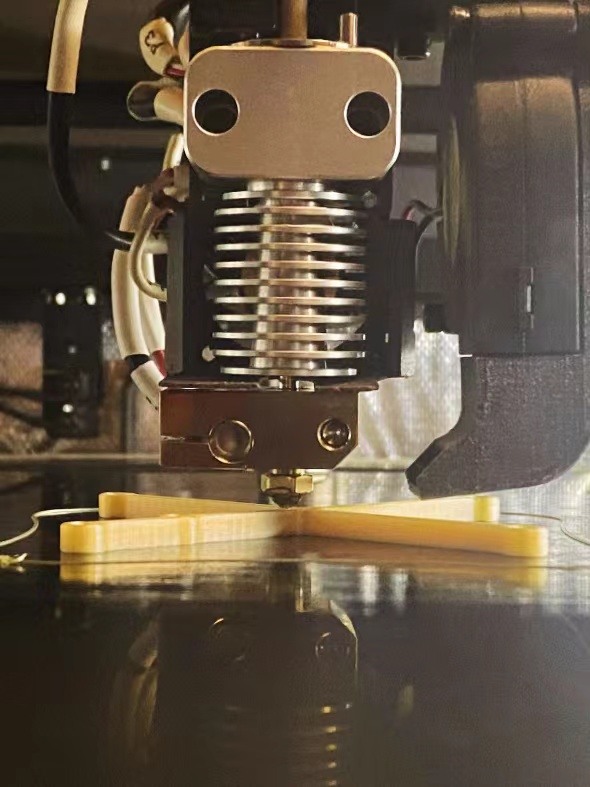
A high-temperature hotend combined with powerful filament feeding torque supports the processing of demanding polymer materials.
Precise chamber temperature control helps maintain stable printing conditions, particularly for high-performance polymers.
Advanced high-speed kinematics supports faster printing while maintaining structural reliability.
Together, these capabilities allow NOVUS to conduct rigorous testing and validation of its OSSFILA® filament series, assess mechanical and structural integrity, and support its customers in developing reliable printing processes for patient-specific medical devices.
In 2025, more than 2,000 cranial implants were produced using OSSFILA® filament by NOVUS clients equipped with INTAMSYS printers.
Building on this established application experience, NOVUS expects the FUNMAT PRO 310 APOLLO to further improve production efficiency, with PEEK implant printing speeds exceeding 100 mm/s while maintaining structural reliability.
Within NOVUS's workflow, the FUNMAT PRO 310 APOLLO serves two complementary purposes.
First, it functions as an internal research, development, and production platform. The system supports filament batch validation, printing parameter optimization, and the development of customized medical device manufacturing processes.
Second, the printer serves as a reference platform for medical device manufacturing at NOVUS's Hong Kong training center.
At this facility, NOVUS trains hospital technicians and international corporate partners in 3D printing workflows for the on-site production of certified medical implants.
By combining material expertise with practical equipment training, NOVUS helps medical device manufacturers and healthcare organizations develop more efficient and repeatable production workflows.
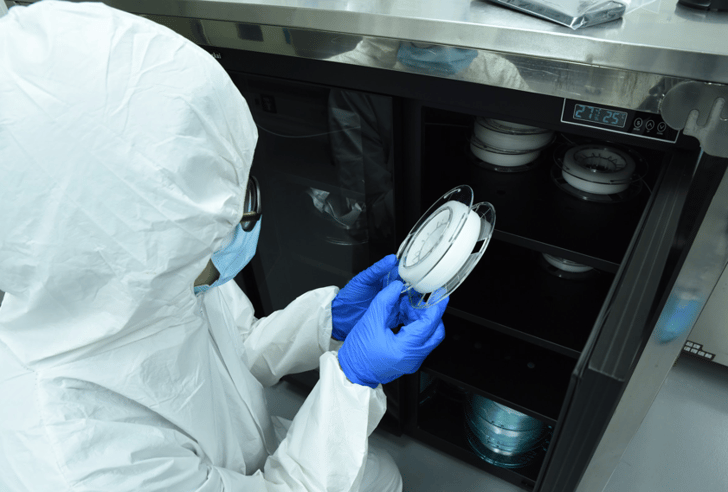
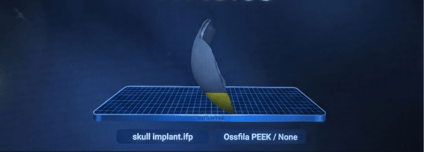
One of NOVUS's primary application areas is the production of patient-specific cranial implants, designed for permanent reconstruction of individual skull defects.
Each implant must be tailored to the patient's anatomy, requiring highly customized geometries that can be challenging and expensive to produce using traditional manufacturing methods.
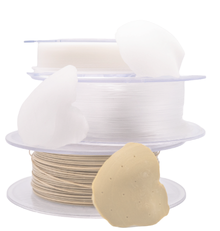
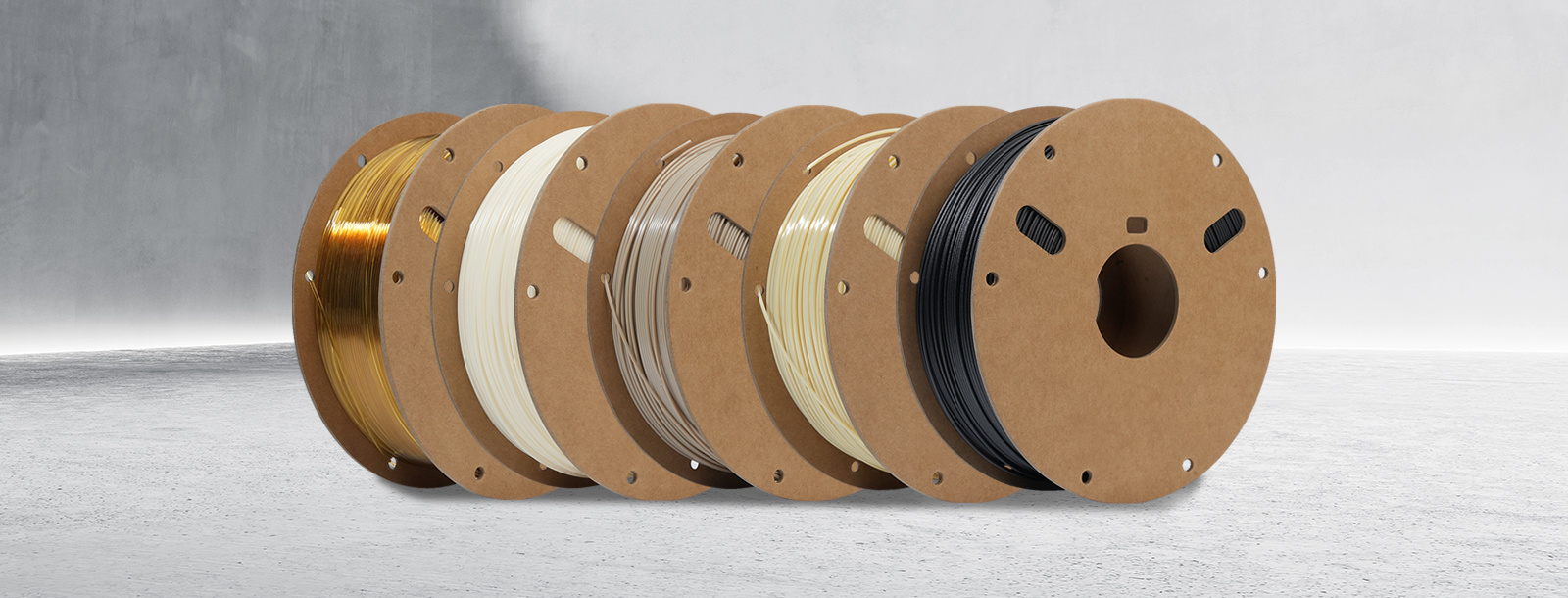
NOVUS's solution combines INTAMSYS 3D printing technology with its OSSFILA® PEEK and OSSFILA® PEEK-HA filaments.
These materials are selected for their biocompatibility, strength, and bone-like mechanical properties.
Using patient DICOM imaging data, manufacturers can develop implants with complex anatomical contours, optimized lightweight structures, and adjustable porosity designed to support bone integration.
FFF technology provides the geometric flexibility needed to manufacture these customized designs with less material waste than conventional machining, while overcoming many of the geometric limitations associated with subtractive manufacturing.
With the FUNMAT PRO 310 APOLLO, NOVUS reports printing speeds exceeding 100 mm/s for PEEK cranial implant production.
The resulting manufacturing improvements are substantial:
| Manufacturing Metric | Conventional Benchmark | FUNMAT PRO 310 APOLLO with OSSFILA® PEEK |
|---|---|---|
| Production time per implant | Approximately 15 hours | Approximately 4 hours |
| Manufacturing cost per implant | Approximately USD 1,000 | Approximately USD 100 |
| Geometric capabilities | Constraints associated with machining | Patient-specific anatomical geometry, lightweight structures, and adjustable porosity |
Figures are based on manufacturing comparisons reported by NOVUS Life Sciences.
By reducing both manufacturing time and cost, this approach demonstrates how high-performance polymer additive manufacturing can make customized cranial implant production more efficient and economically accessible.
Beyond permanent implants, NOVUS also applies FFF 3D printing to the production of patient-specific surgical cutting guides.
These devices assist surgeons during operations by guiding precise bone cuts and instrument positioning according to an individual patient's anatomy.
Previously, such procedures could rely on manual alignment or outsourced prototype manufacturing, introducing additional preparation time and potential workflow delays.
Additive manufacturing enables the rapid, on-demand production of customized surgical guides with complex patient-matched geometries.
For this application, NOVUS uses engineering-grade polycarbonate (PC), a material selected for its mechanical properties and ability to withstand autoclave sterilization.
NOVUS's internal quality-control testing of printed PC specimens demonstrated an average flexural strength of 94.62 MPa and a flexural modulus of 2.18 GPa.
These results provide a mechanical performance reference for the company's printed PC material.
Processing polycarbonate can be challenging because of its requirement for a stable chamber temperature during printing.
With the FUNMAT PRO 310 APOLLO's controlled thermal environment and high-speed printing capabilities, NOVUS reports that manufacturing PC surgical guides has become easier and faster.
The printed guides incorporate patient-specific snap-fit contours and integrated cutting slots, allowing the geometry to be adapted to the requirements of individual surgical procedures.
According to NOVUS, this approach contributes to enhanced surgical accuracy, repeatable batch manufacturing reliability, and the elimination of procedural delays associated with conventional preparation methods.
Together with its cranial implant applications, surgical guide manufacturing demonstrates the versatility of industrial FFF technology across both permanent implant solutions and customized surgical tools.
Over the next one to two years, NOVUS plans to further expand its medical additive manufacturing capabilities, with a particular focus on regenerative medicine and biodegradable materials.
Its material portfolio already includes medical-grade OSSFILA® PLLA (poly-L-lactic acid) filament, alongside other biodegradable medical-grade materials. Building on these capabilities, NOVUS is developing medical-grade degradable scaffolds for tissue engineering applications.
The FUNMAT PRO 310 APOLLO's precise thermal control and efficient, on-demand printing capabilities support the development of these applications. NOVUS envisions workflows in which customized scaffolds can be manufactured at or near the point of care, potentially immediately before surgery.
Through its continued collaboration with INTAMSYS, NOVUS aims to bridge the gap between durable structural implants and bioresorbable tissue engineering solutions.
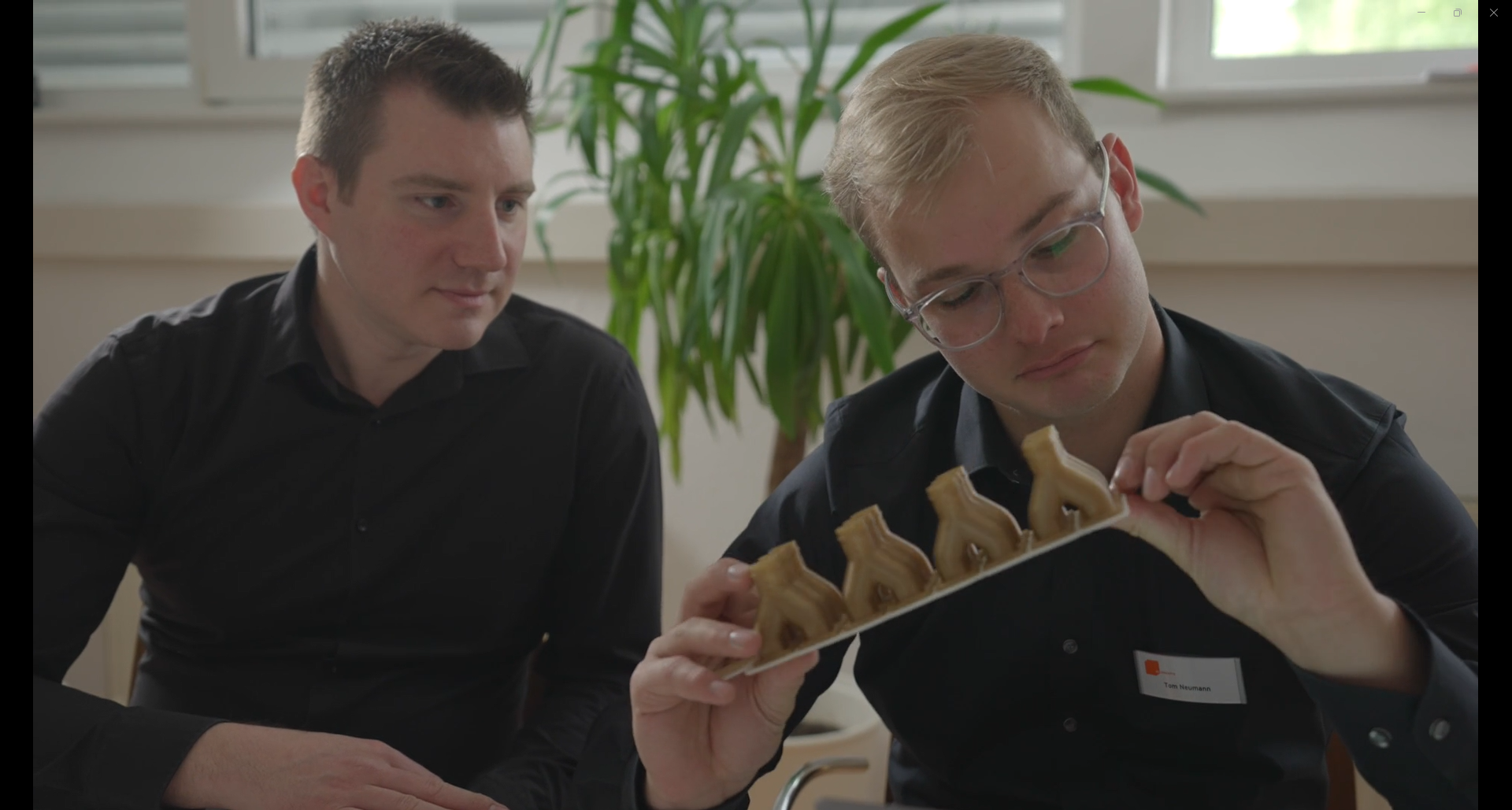
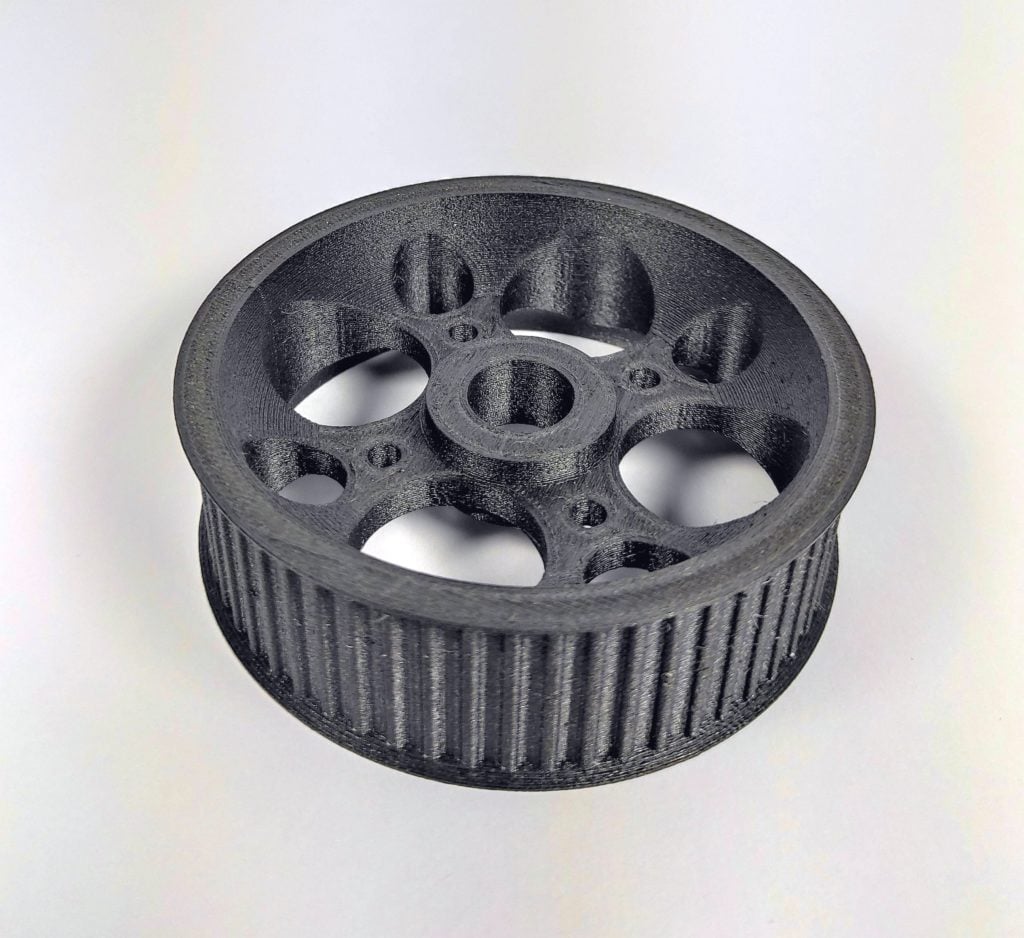

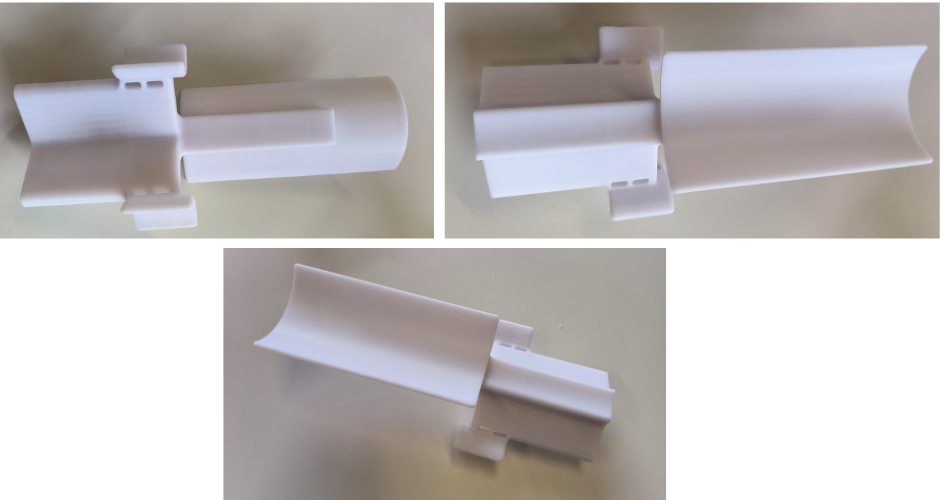
The tank holder is a new part in this year´s racing car. The part is printed on the FUNMAT PRO 610HT with the material choice of ABS. For the driverless disciplines, the team uses pressurized air to activate the brakes in an emergency. This year, they changed the concept of how pressurized air is stored, which required a new mounting solution. The tank holder is designed to solve this challenge.

Other 3D printed parts, using the FUNMAT PRO 610HT and PC material, are the flap ribs that play a crucial role in the construction of the car’s side wing. These ribs are glued into the carbon-fiber shells and incorporate threaded inserts for attaching the wing to the chassis.
While the team has used these ribs for years, they have redesigned for this season to accommodate changes in the aerodynamic shape of the wings. Using INTAMSUITE™ NEO and the 3D printing technology, they conducted topology optimization to achieve the lightest possible geometry, resulting in an organic shape that would not be possible to manufacture by milling.