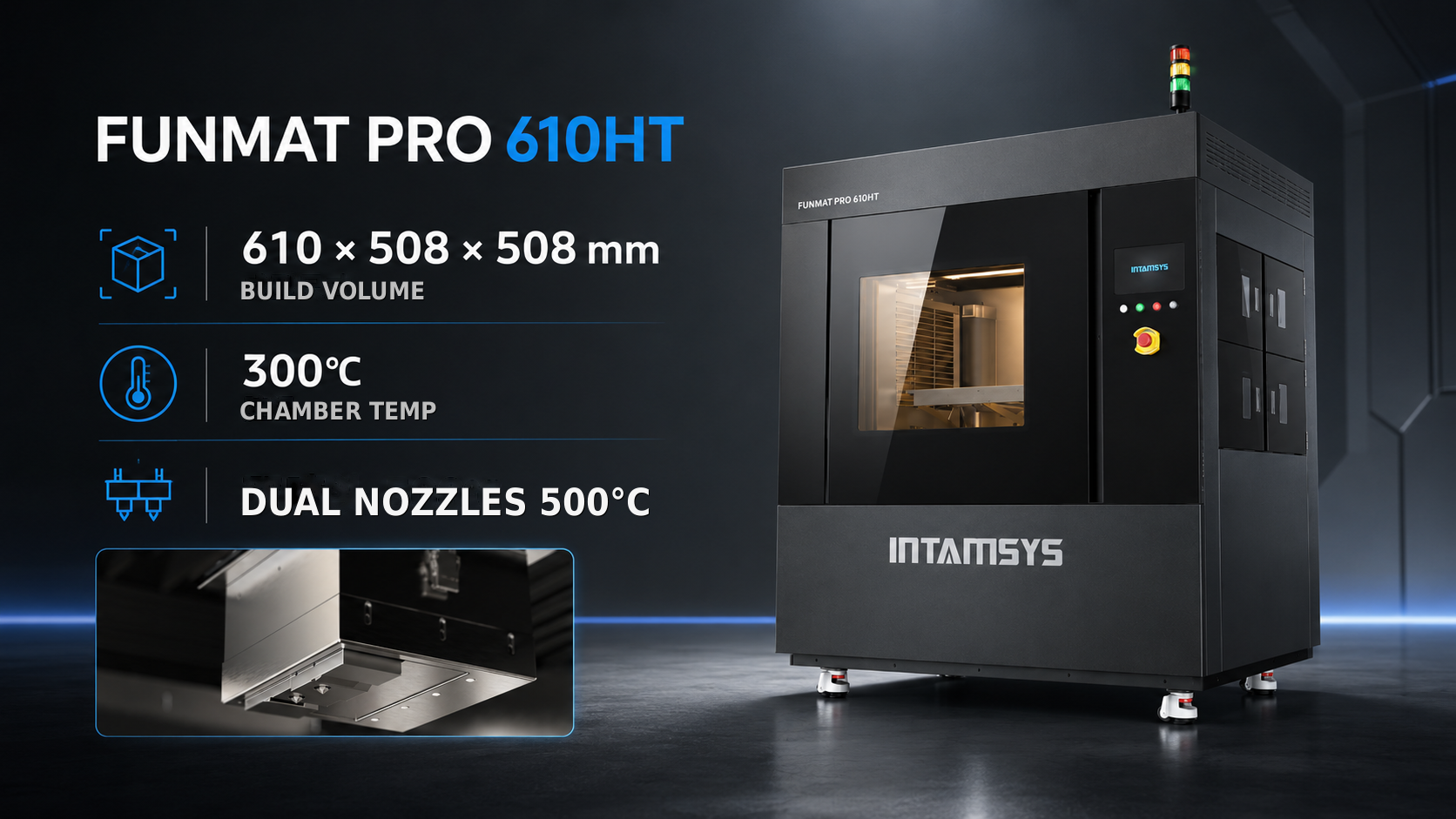
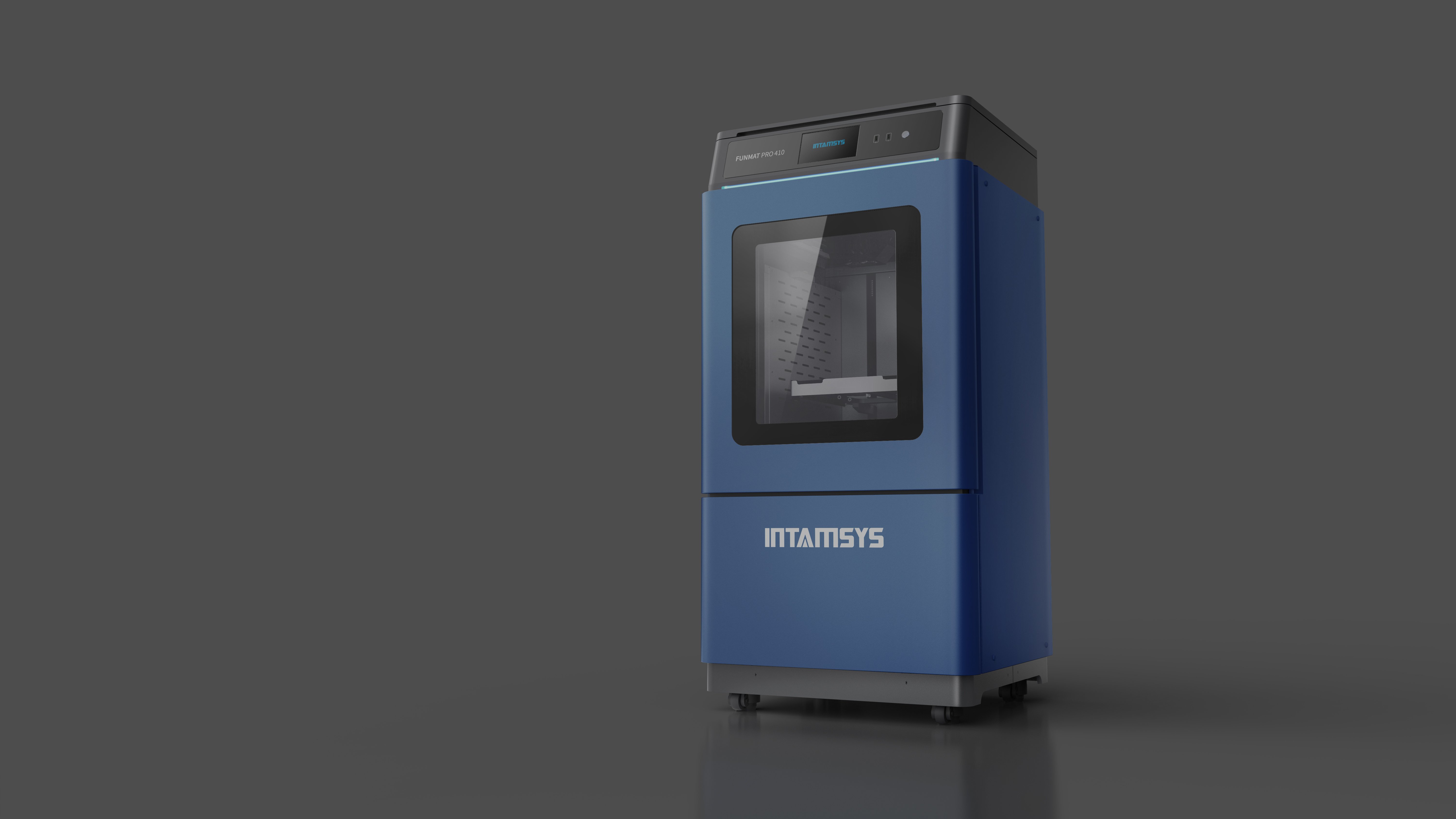
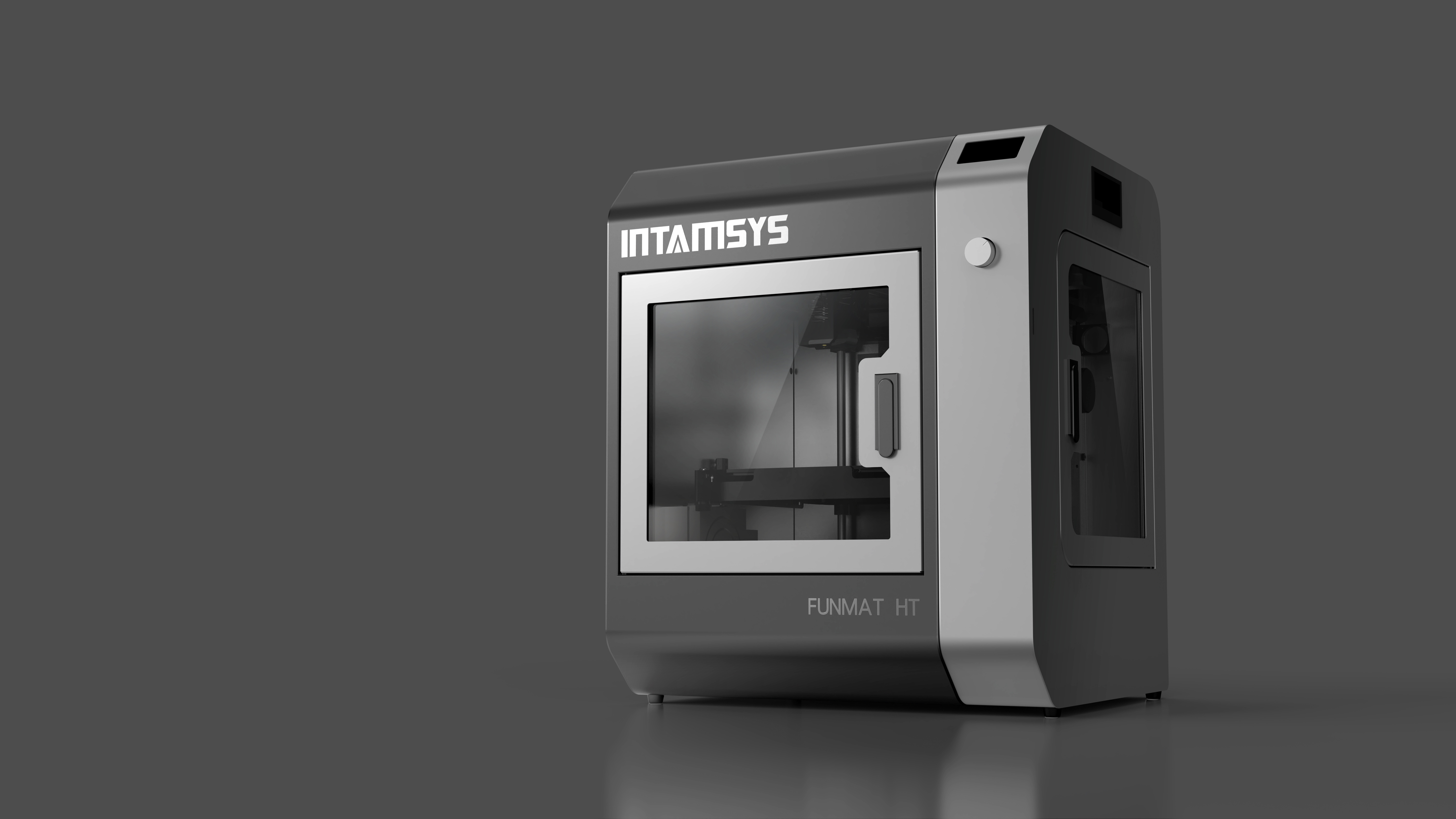
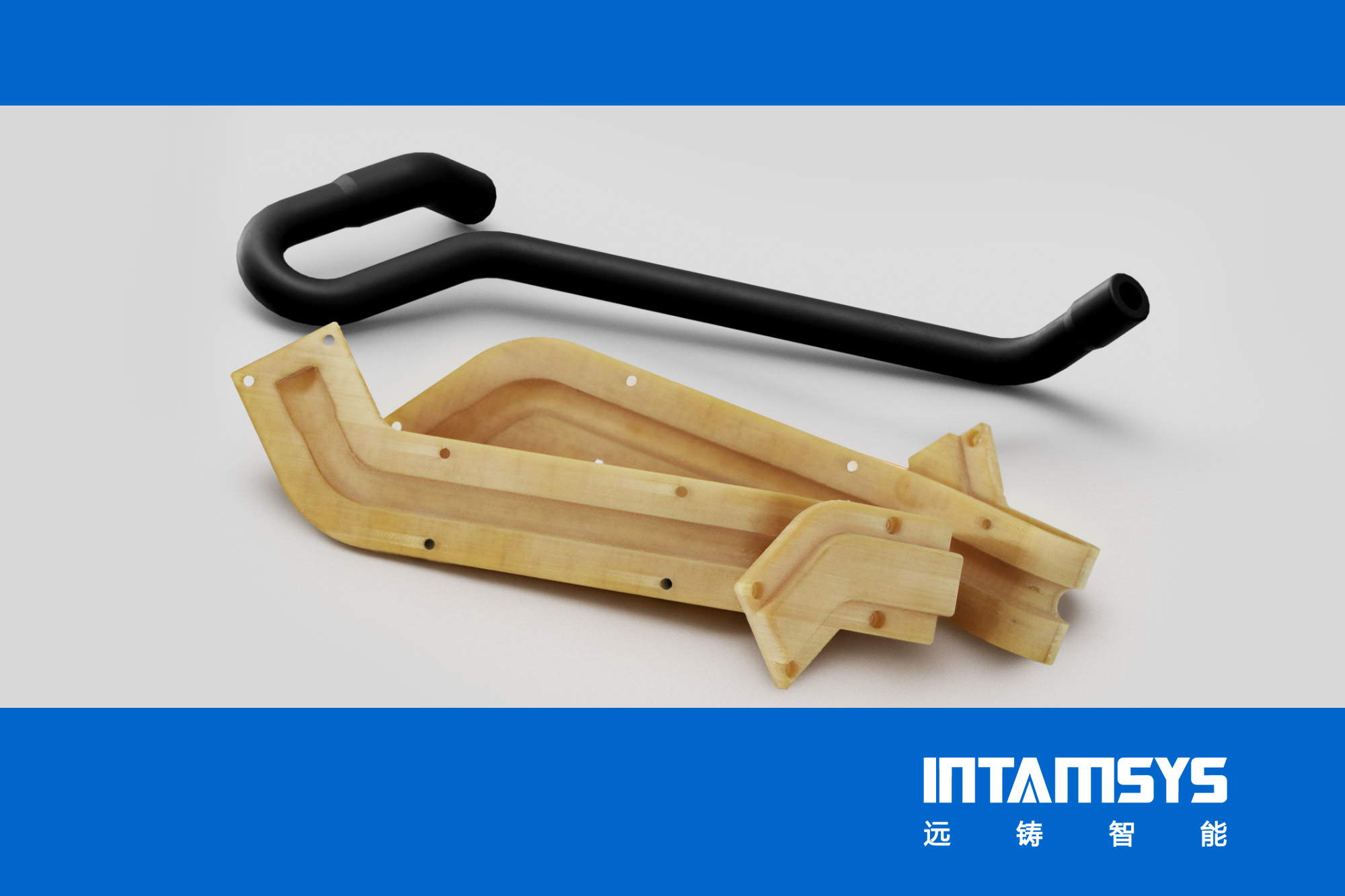
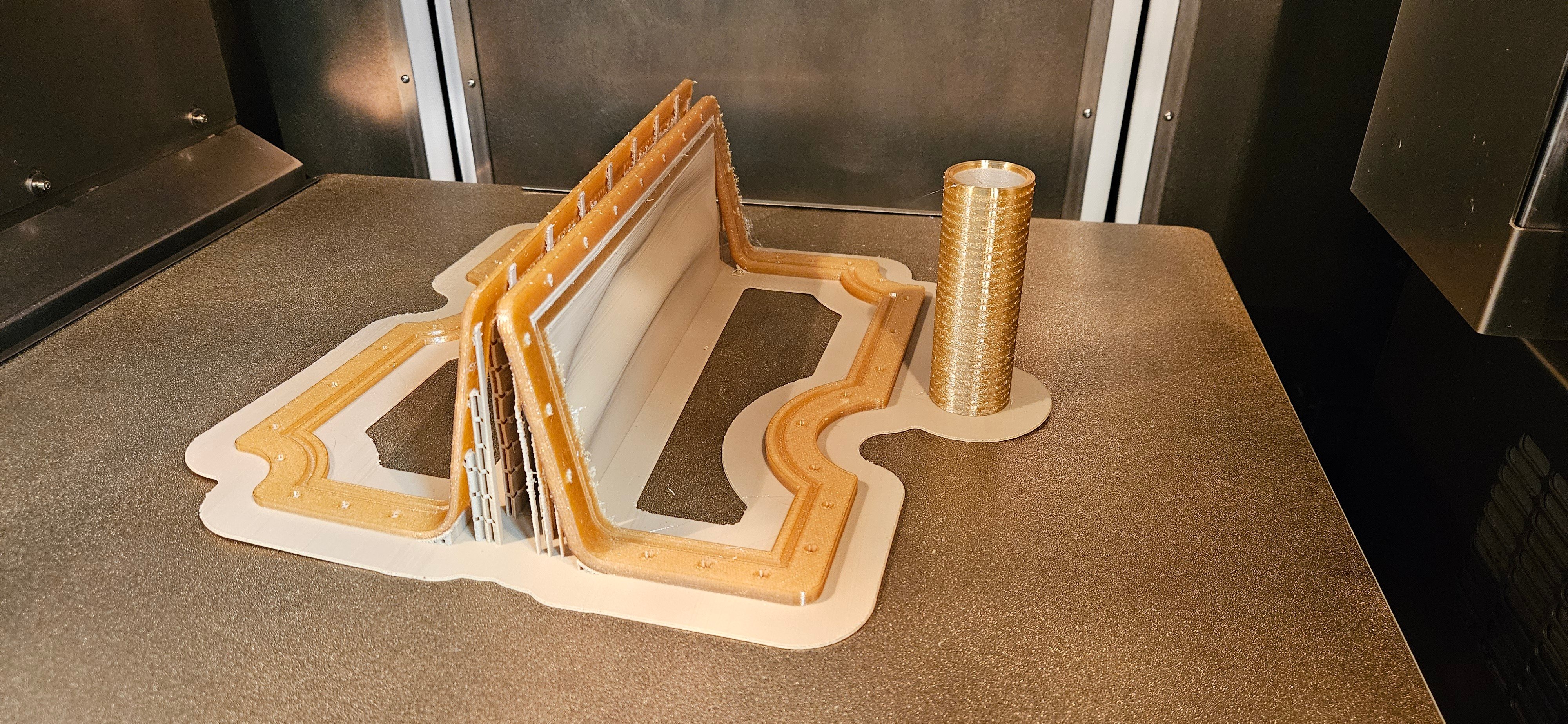
FUNMAT PRO 610HT
Founded in 1996, Rotechnic manufactures cooling fans, water pumps, EC fans, large-diameter fans, and micro fans. Its products are used in industrial control applications across new energy vehicles, solar PV and energy storage, charging infrastructure, and server power supplies.
Before adopting 3D printing, Rotechnic needed about 10 days to turn a design concept into a physical prototype.
Cooling fans are precision-engineered products. Key performance metrics include airflow, static pressure, noise, power consumption, and efficiency. Fan blade design involves more than a dozen angular parameters, including the blade setting angle and inward and outward lean angles, all of which require high accuracy.
Any deviation from the specified angles can prevent the product from achieving its target performance.
.png?width=2000&height=1124&name=Rotechnic%20(3).png)
.png?width=2000&height=1125&name=Rotechnic%20(6).png)
Rotechnic follows an IATF 16949-compliant product development process with multiple stages from project launch through mass production. After receiving customer requirements, the team develops the overall structural design and uses simulation to verify performance in advance. If the design does not meet the target requirements, it must be revised and revalidated until the target is achieved.
New products progress from the C1 stage (design review) to the C2A stage (prototype fabrication) before entering mass production. Products with demanding acoustic and efficiency requirements may require five to ten iterations between C1 and C2A.
Traditional prototypes are primarily CNC-machined, with a typical lead time of seven to ten days. For complex geometries, CNC tools may be unable to reach internal areas, making certain features impossible to machine. Achieving the required performance in an industrial fan depends on an integrated approach to fluid dynamics, structural design, material selection, motor control, and noise control.
After introducing INTAMSYS industrial 3D printer, Rotechnic streamlined its R&D workflow.
A 3D design completed in the morning can be printed that afternoon, then assembled and tested the same day to verify whether it meets the target parameters.
Work that previously took 10 days can now be completed in as little as 1 day.
For Rotechnic, the value of 3D printing is not simply making models; it is moving designs into real-world testing faster.
3D printing is currently used mainly during R&D for functional prototyping and repeated design iterations. Once printed, prototypes undergo airflow and static pressure testing, performance evaluation on an aerodynamic test bench, acoustic and sound quality testing in an anechoic chamber, and thermal performance testing in the customer's complete system.
Only prototypes validated under real operating conditions can deliver meaningful gains in R&D efficiency.
.png?width=2000&height=1124&name=Rotechnic%20(5).png)
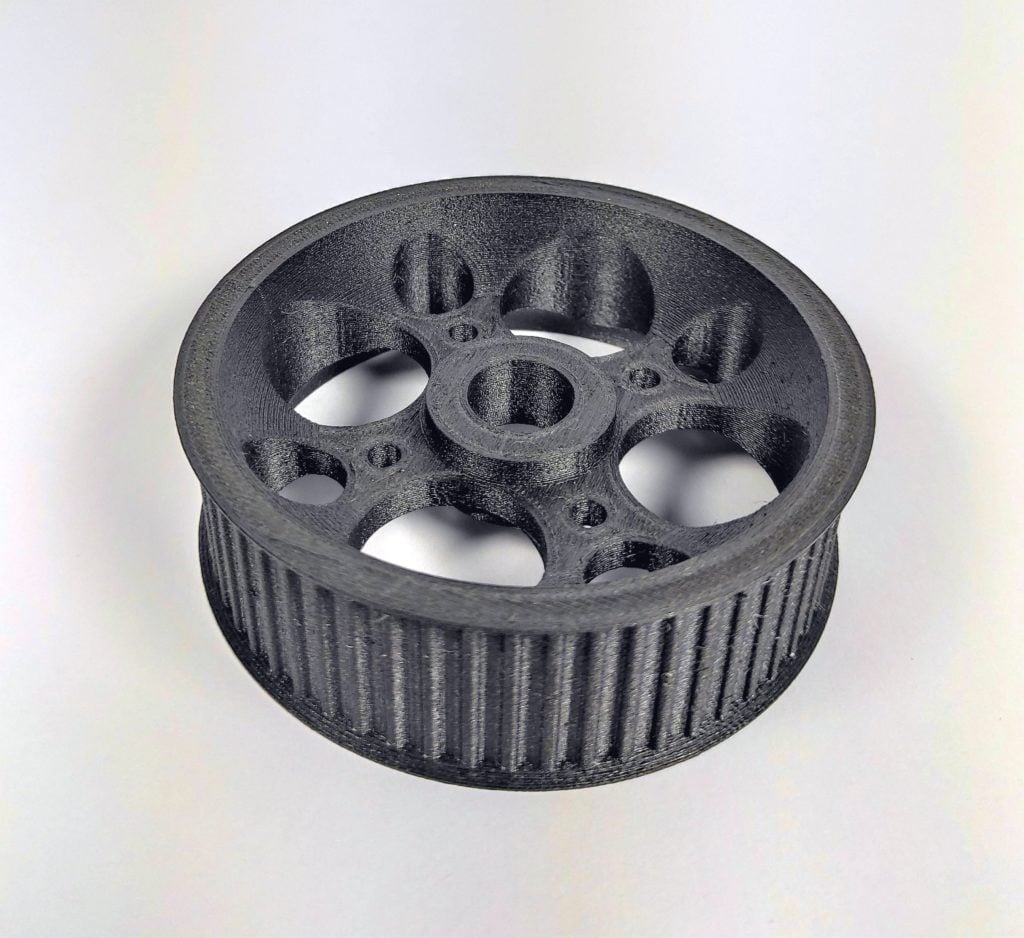
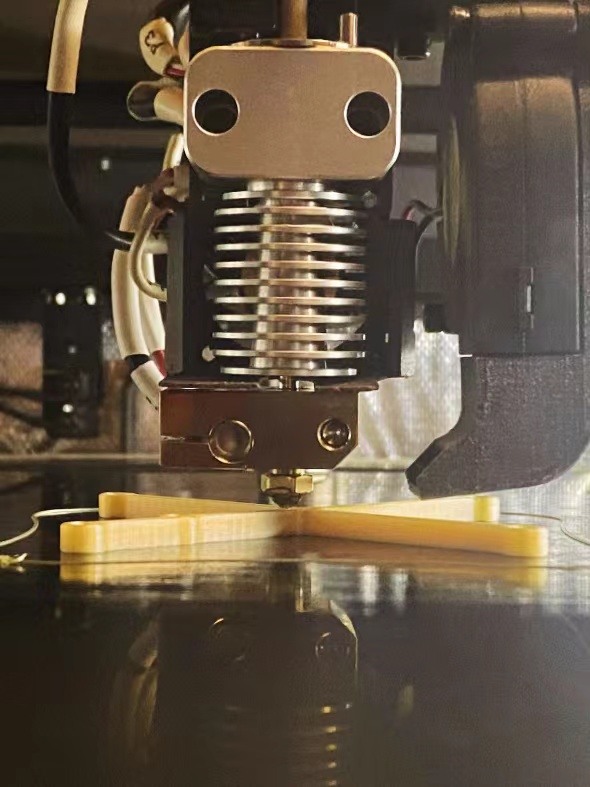
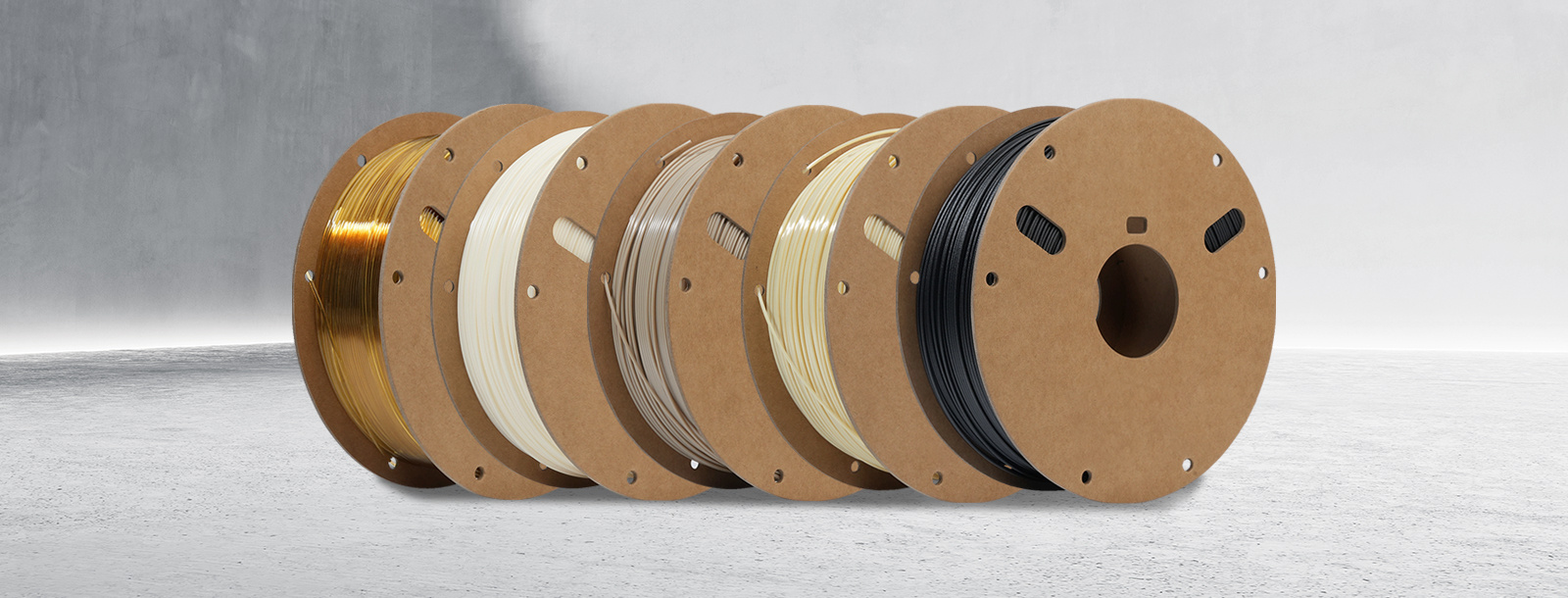
Rotechnic currently uses PEEK as its primary material for printed prototypes.
PEEK was selected for its high-temperature resistance, mechanical strength, dimensional stability, and excellent surface finish.
Fans can reach speeds of up to 50,000 rpm. At such high rotational speeds, the blades are subjected to significant aerodynamic loads. If the material lacks sufficient strength, the blades may deform and compromise overall fan performance. When customers install the prototypes in complete systems for functional testing, ambient temperatures can approach 100°C (212°F), making high-temperature resistance essential.
Rotechnic previously tested materials such as PA and PETG, but the resulting surfaces were rough and required sanding and painting. These additional steps complicated the workflow and reduced R&D efficiency.
PEEK fan blades come off the printer with a smooth surface and can be used directly.
.png?width=2000&height=1125&name=Rotechnic%20(1).png)
When evaluating equipment, Rotechnic focused on printing accuracy, material compatibility, high-temperature capability, and warpage control. After testing and comparing multiple systems, the team found that INTAMSYS offered advantages in dimensional accuracy, print performance, and high-temperature process control.
The system now runs continuously, 24 hours a day.
.png?width=2000&height=1124&name=Rotechnic%20(4).png)

After thorough research and benchmarking, WEERG chose INTAMSYS as their supplier. The INTAMSYS FUNMAT PRO 410 met all their requirements with features like a heated chamber, dual heated nozzles, and a heated filament chamber.
INTAMSYS offered one single solution that got it all:


We accompany our customers in a professional manner throughout the entire project - from planning and design to the prototype or the production of a complete series. Combining our 3D printing processes with conventional component processing, post-processing and surface refinement of the prototypes, small series or even a trade fair exhibit is our daily business. Since the company was founded in 1995, our experienced team in Gross-Gerau has made a name for itself well beyond the borders of the Rhine-Main area. We are one of the leading service providers for everything to do with 3D printing and have more than satisfied customers from a wide variety of industries - from the automotive and consumer goods industries to mechanical engineering and companies from the medical technology sector.
Alex Di Maglie
Managing Director, 4D Concepts
We were looking for printers that can print high-performance materials and run 24/7 on our production floor. INTAMSYS offered a robust printer, a nice aesthetic finish, and a true partnership.
Matteo
Founder & CEO, WEERG

The INTAMSYS FUNMAT PRO 410 has been a performant and reliable tool since day one. It allows us to process high-performance polymers that enable our customers to innovate with them in highly loaded, thermally challenging, and metal replacement applications. It gives us the confidence that is needed to print 24/7 unattended with long print jobs of 100+ hours. It redefines what can be achieved with FDM technology.
Fabio Trotti
3D R&D Manager, WEERG
3D PRINTER
FUNMAT PRO 410
COST-EFFECTIVE
Print Larger, Print More
OPEN
Open-Sourced Filaments
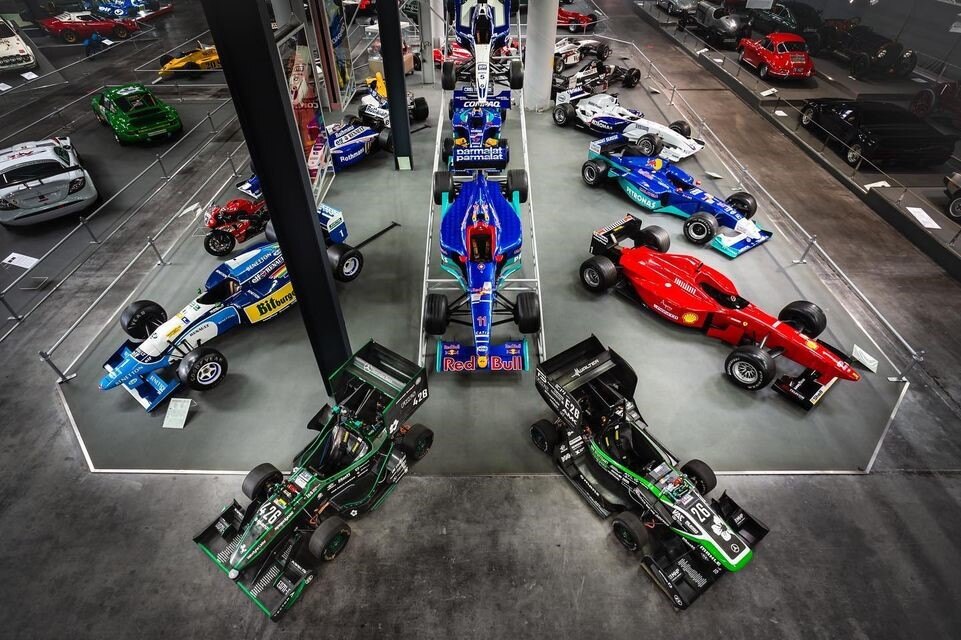
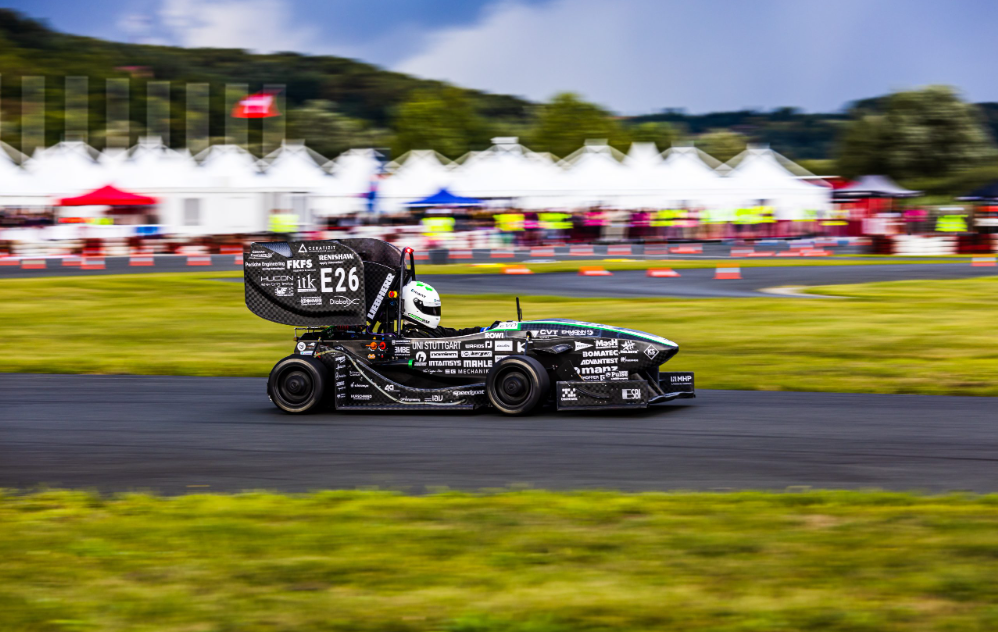
INTAMSYS has sponsored the GreenTeam with a FUNMAT HT 3D printer, INTAM™ filaments, and consultation services. The 3D printed parts from INTAMSYS are used in various subsystems of the car, including the battery system, braking system, and power electronics.
3D PRINTER
FUNMAT HT
COST EFFICIENCY
Lower Cost, Shorter Lead Times
MATERIAL SUPERIORITY
Versatile INTAM™ Polymers
The tank holder is a new part in this year´s racing car. The part is printed on the FUNMAT PRO 610HT with the material choice of ABS. For the driverless disciplines, the team uses pressurized air to activate the brakes in an emergency. This year, they changed the concept of how pressurized air is stored, which required a new mounting solution. The tank holder is designed to solve this challenge.
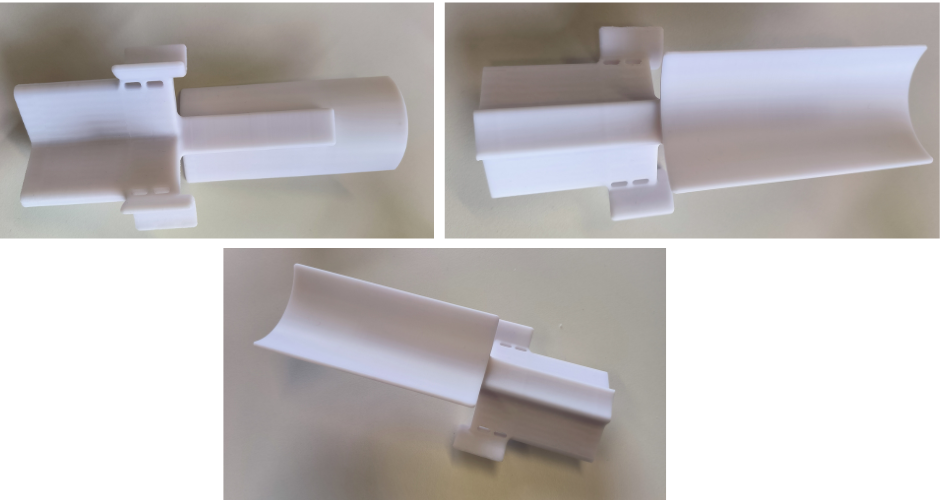
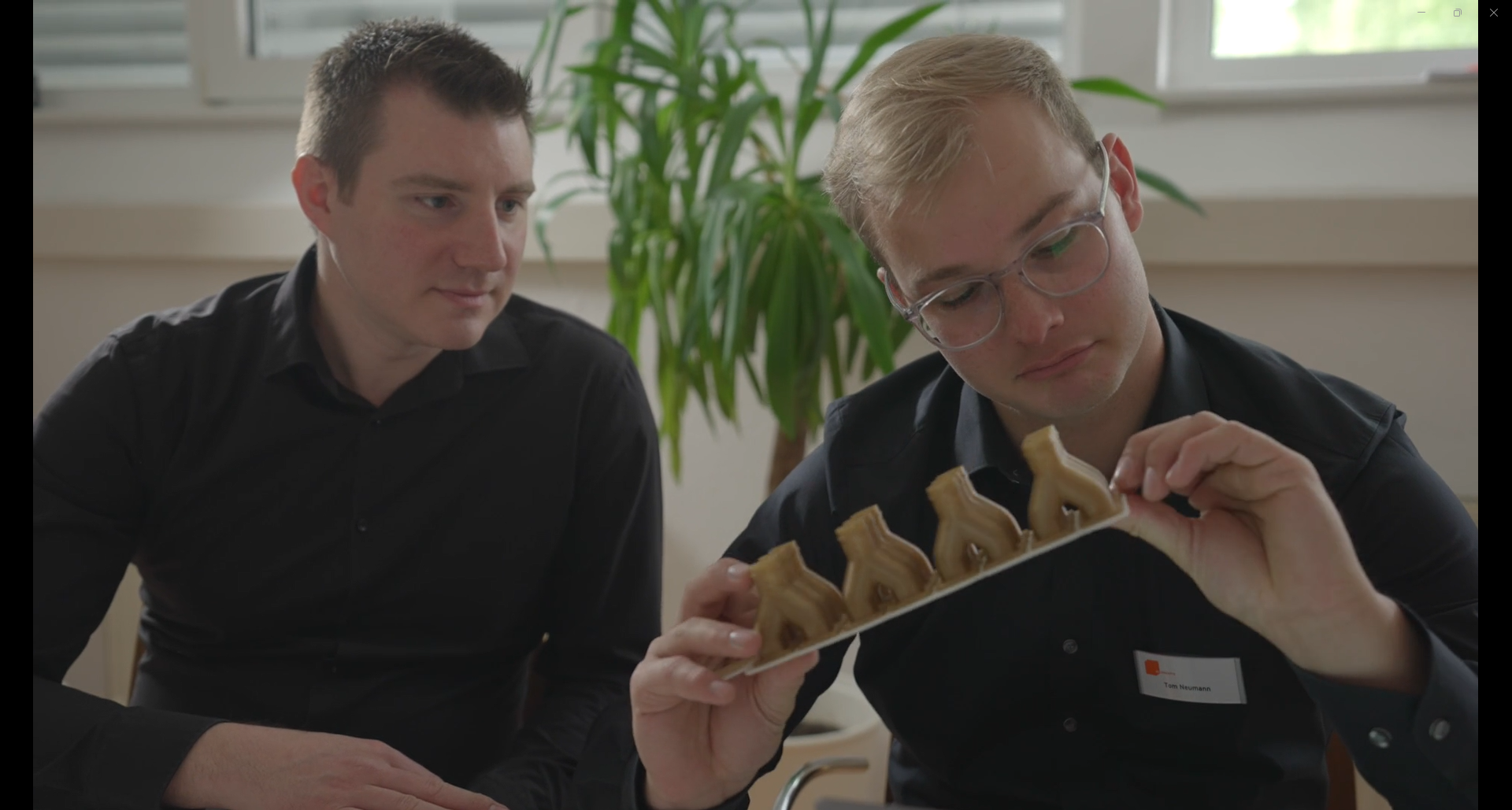
Other 3D printed parts, using the FUNMAT PRO 610HT and PC material, are the flap ribs that play a crucial role in the construction of the car’s side wing. These ribs are glued into the carbon-fiber shells and incorporate threaded inserts for attaching the wing to the chassis.
While the team has used these ribs for years, they have redesigned for this season to accommodate changes in the aerodynamic shape of the wings. Using INTAMSUITE™ NEO and the 3D printing technology, they conducted topology optimization to achieve the lightest possible geometry, resulting in an organic shape that would not be possible to manufacture by milling.
Demand for customized products continues to grow, shifting order volumes from traditional mass production in the millions to smaller customized batches of several thousand to tens of thousands of units. The need for faster market response is also driving manufacturers to build more agile production capabilities. At the same time, product designs are becoming increasingly complex, with more flow channels, microchannels, and irregular geometries. By combining high design freedom with tool-free production, 3D printing has the potential to replace conventional mold-based manufacturing in suitable applications.
Get the latest news and trends
Webinar Recap: Industrial-Grade FFF 3D Printing Paves the Way for Mass Production of Humanoid Robots
©2026 INTAMSYS Technology. All Rights Reserved. Privacy Policy