At a Glance
Organization: Solar Team Eindhoven
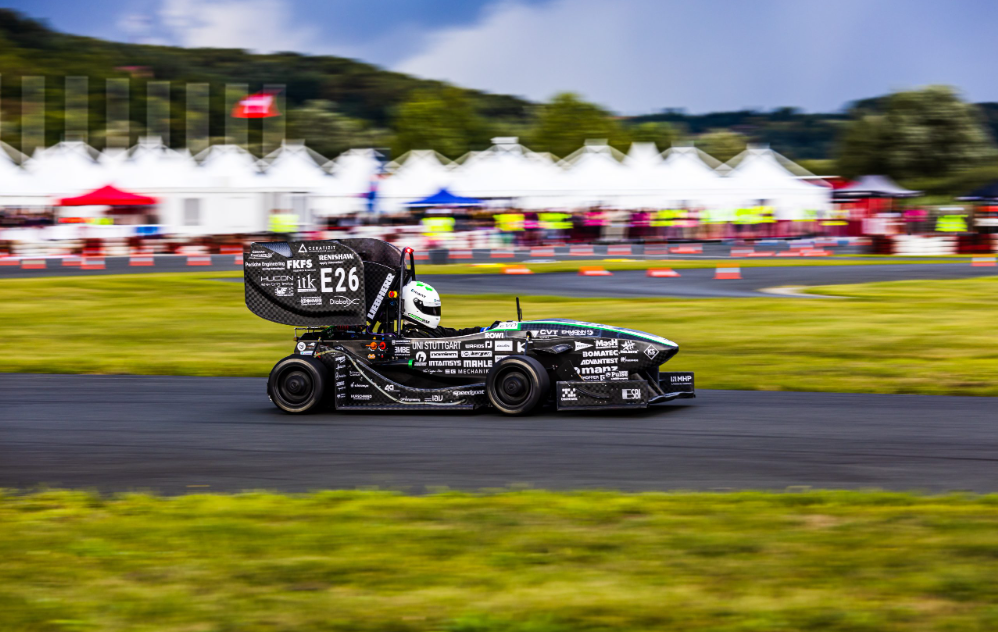
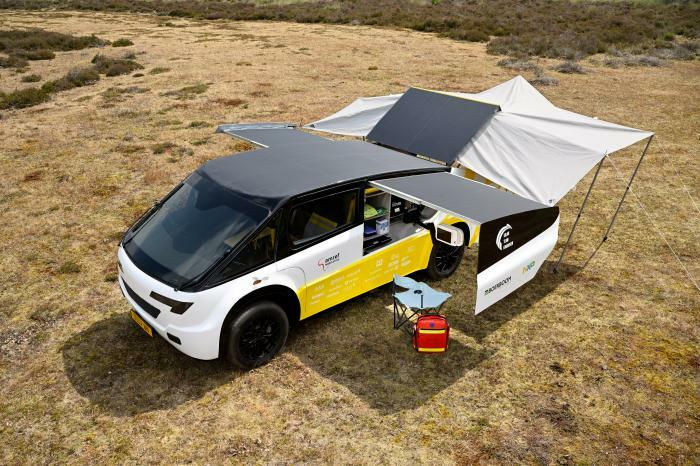
Project: Stella Juva, the world’s first fully solar-powered ambulance
INTAMSYS solutions: FUNMAT HT and FUNMAT PRO 610HT
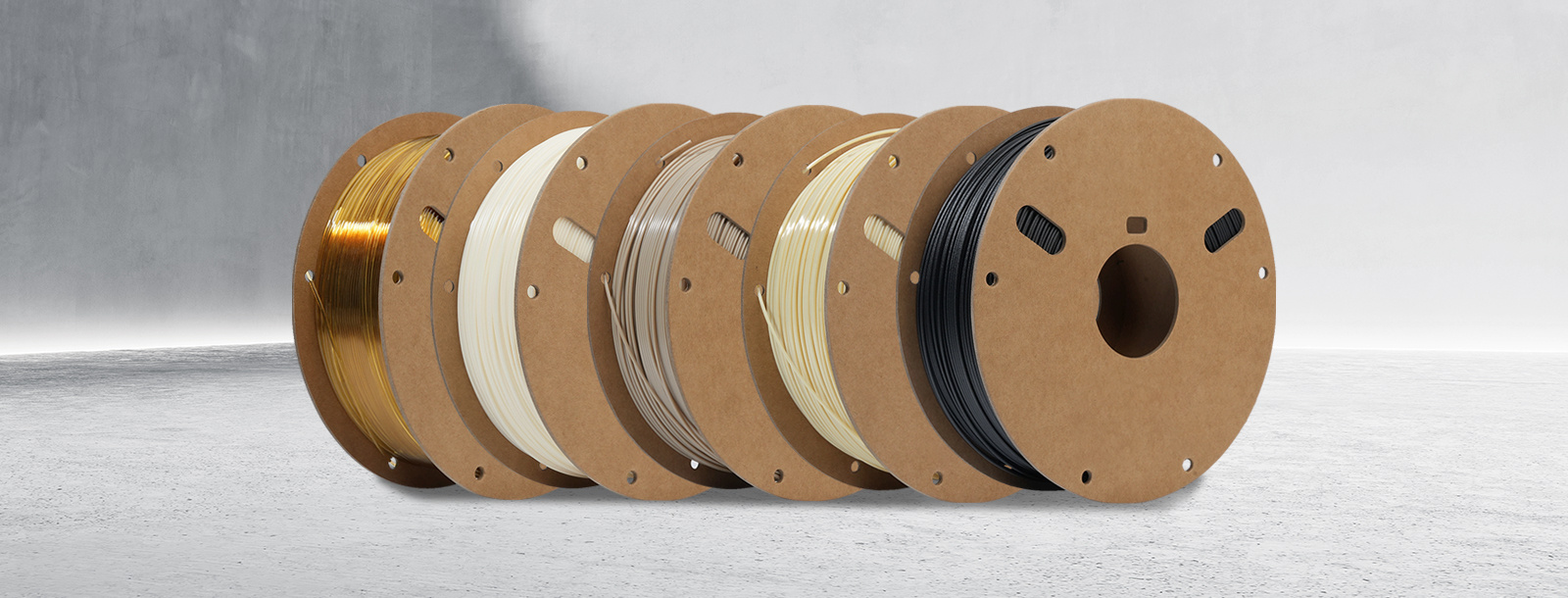
Materials: PA12-CF, PA6-CF, PC-FR, PC-ABS, ABS, and PLA
Applications: Small customized parts inside the vehicle and four large functional parts for its radiator, heater, and filter-holder systems
Manufacturing for an Off-Grid Medical Vehicle
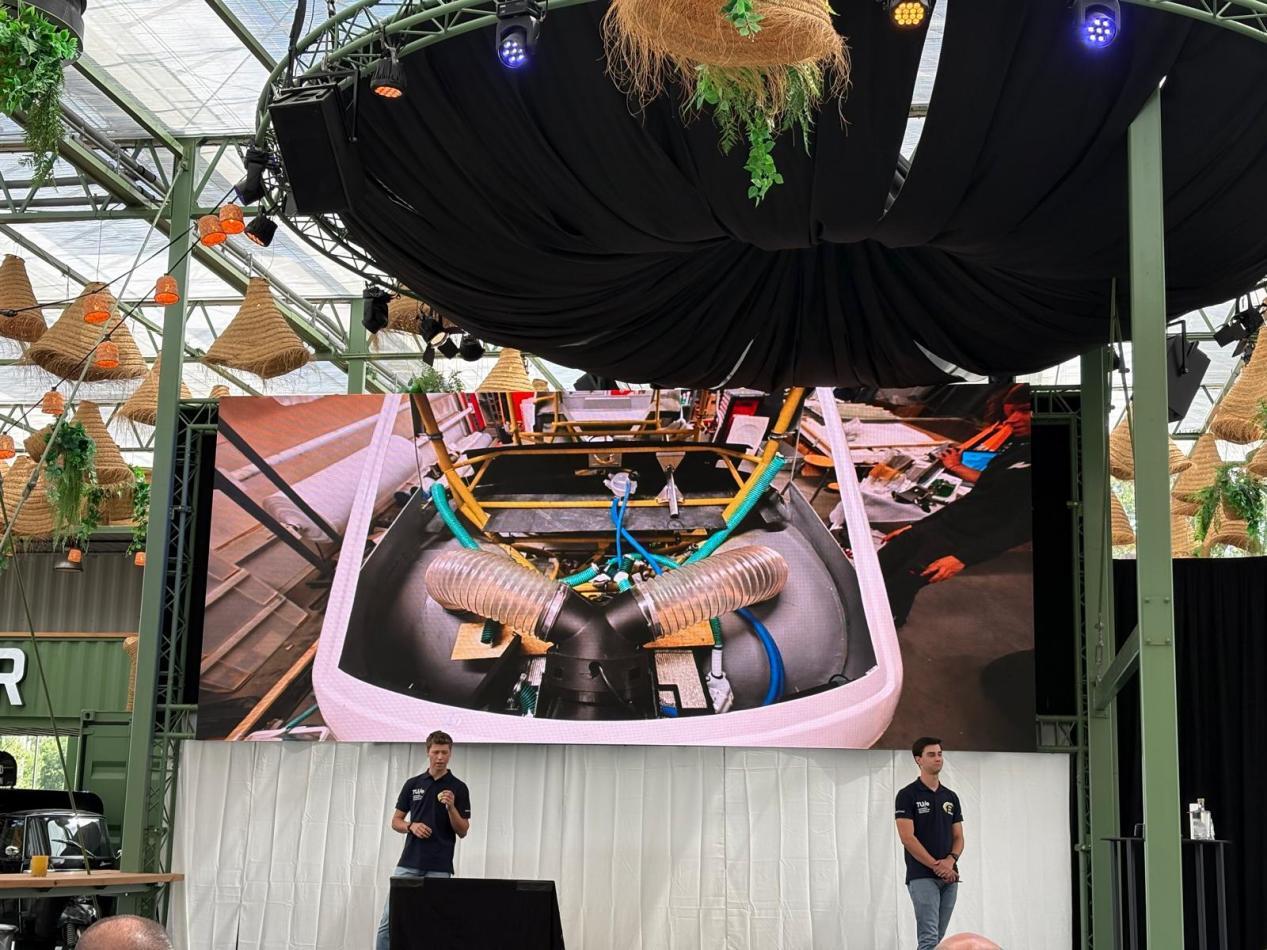
Developed by Solar Team Eindhoven, a team of 23 students from Eindhoven University of Technology, Stella Juva is designed to bring solar-powered mobility and medical capability into one vehicle. Its roof-mounted solar panels generate energy for both driving and onboard medical equipment, supporting operation in remote areas where access to electricity, fuel, and healthcare infrastructure may be limited.
For the engineering team, this mission translates into a demanding set of component requirements. Parts must contribute as little weight as possible while remaining strong enough for vibration, rough terrain, airflow, heat, and changing environmental conditions. They must also fit around custom-built thermal-management, filtration, electrical, medical, and interior systems within a tightly constrained vehicle architecture.
Most of these parts are highly customized and required only in small quantities. Industrial FFF 3D printing provides a better match than tooling-intensive manufacturing by allowing the team to move directly from design to functional hardware, revise geometries as systems evolve, and use different engineering materials according to each part’s operating conditions.
One Workflow, Two Forms of Support
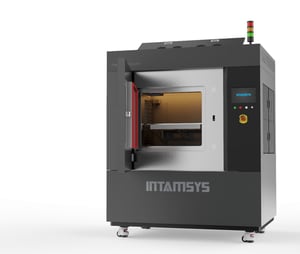
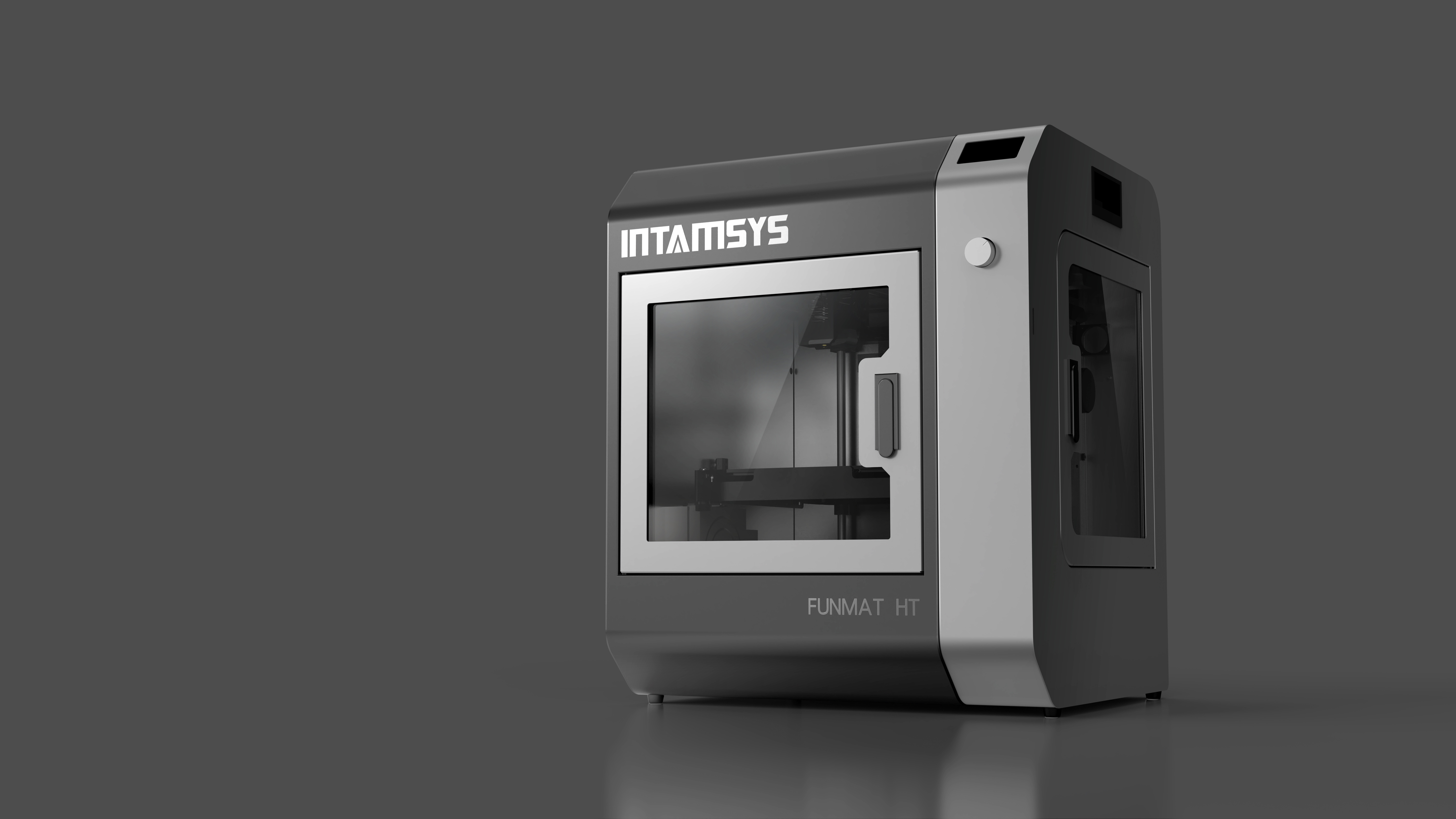
INTAMSYS supports Solar Team Eindhoven through a two-level additive manufacturing workflow. A FUNMAT HT in the team’s workshop provides immediate in-house capacity for smaller parts, while INTAMSYS supplies on-demand production and application engineering for larger components printed on the FUNMAT PRO 610HT.
This combination gives the team both speed and scale. Routine design changes can be handled close to the vehicle, without waiting for an external production cycle. When a part exceeds the local machine’s build capacity or requires more specialized process planning, the team can extend the same additive manufacturing approach through INTAMSYS.
ONE ADDITIVE MANUFACTURING WORKFLOW
IN-HOUSE PRINTING
FUNMAT HT
Small customized parts
Immediate iteration in the team’s workshop
ON-DEMAND PRODUCTION
FUNMAT PRO 610HT
Large functional parts
Build scale and application engineering from INTAMSYS
In-House Agility with the FUNMAT HT
Solar Team Eindhoven uses the FUNMAT HT to manufacture small parts installed inside Stella Juva. Its material set includes PA12-CF, ABS, PLA, and flame-retardant PC-FR.
With an industrial FFF system available directly in the workshop, engineers can verify fit, refine interfaces, and produce low-volume functional parts as the vehicle develops. This is particularly valuable in a one-off platform, where components must follow the evolving geometry of multiple custom systems rather than a standardized vehicle architecture.
The FUNMAT HT therefore serves as more than a prototyping tool. It gives the team a responsive manufacturing resource for producing application-specific parts at the point of development.
Large Functional Parts, Produced On Demand
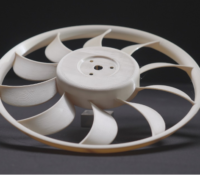
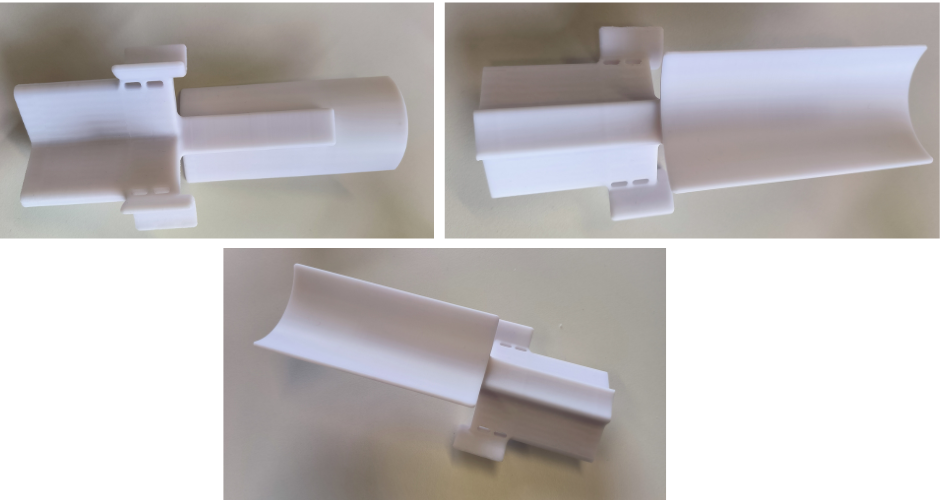
For components beyond the team’s in-house build capacity, INTAMSYS produced four large functional parts on the FUNMAT PRO 610HT. Installed in the radiator, heater, and filter-holder systems, the parts were manufactured in PC-FR, PA6-CF, PC-ABS, and ABS.
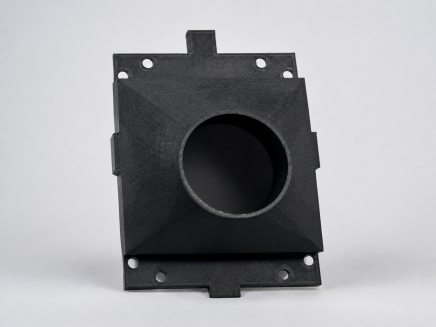
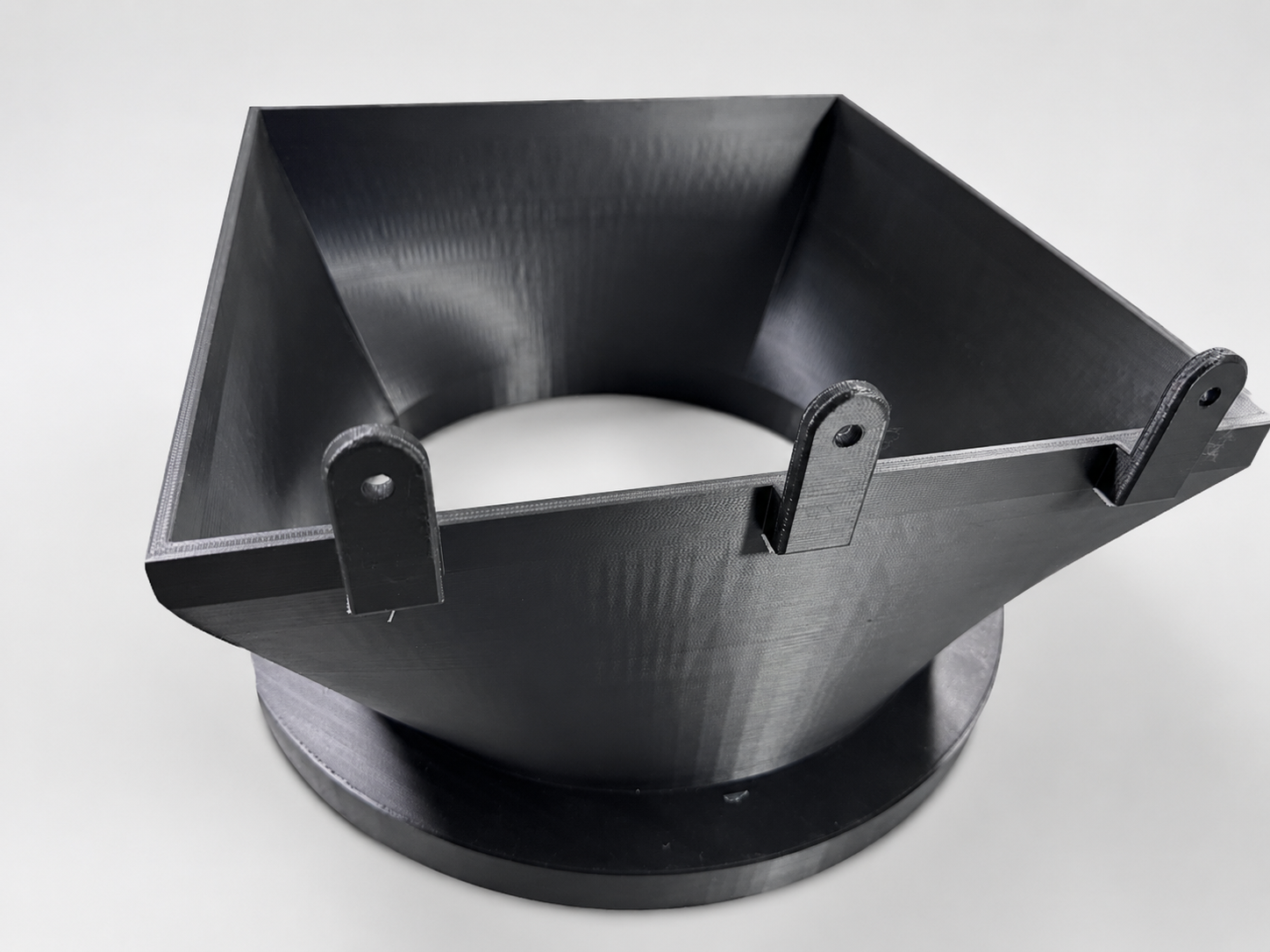
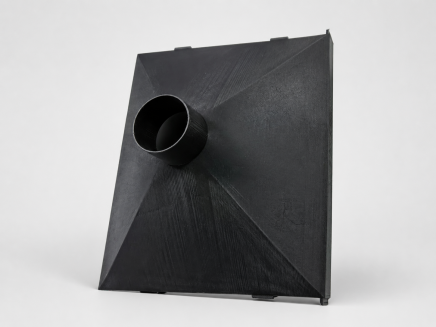
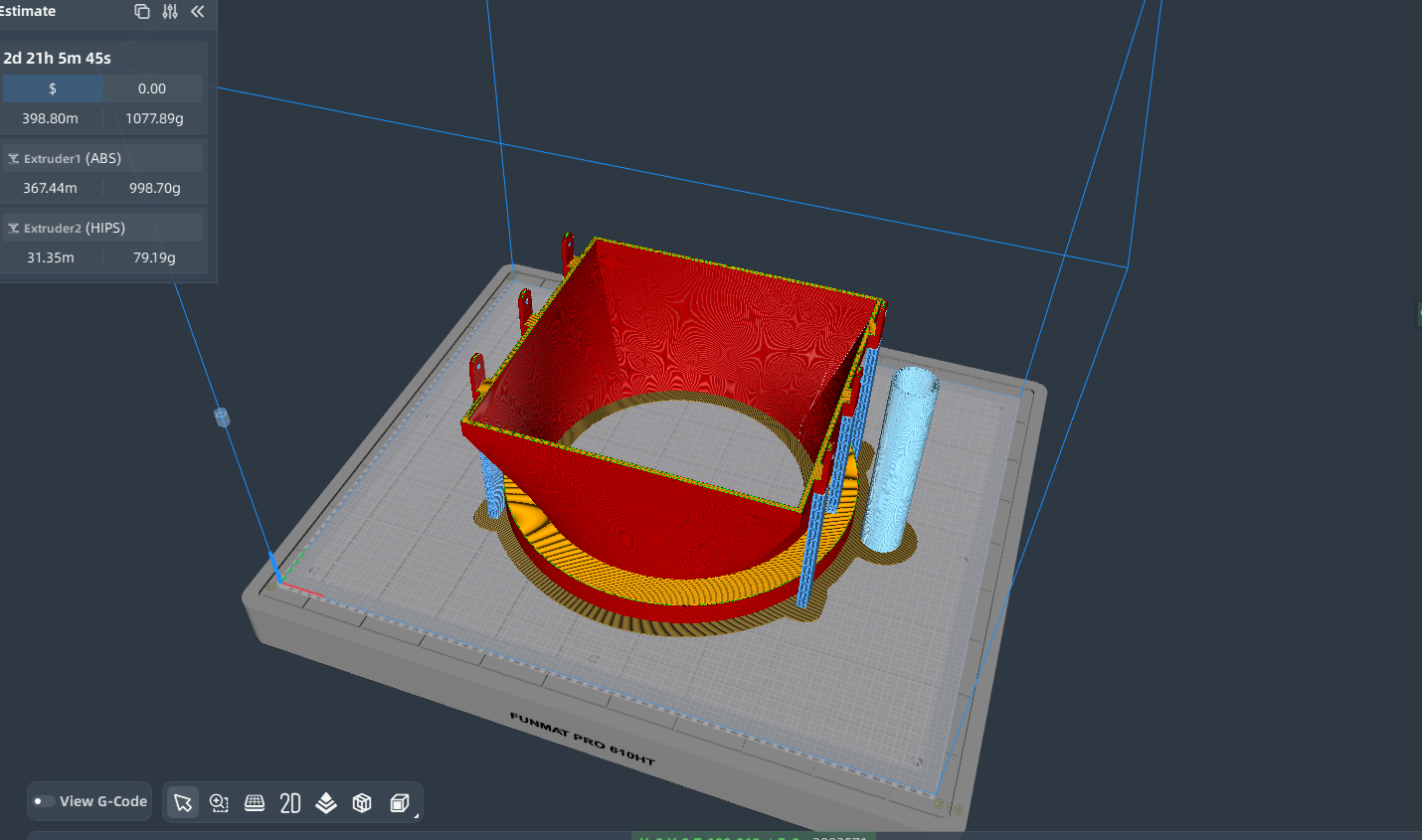
These applications required more than simply enlarging a small-part printing process. One component positioned behind the radiator, for example, had to remain strong and stiff under airflow at vehicle speeds of up to approximately 140 km/h, while offering moderate impact resistance and limited sensitivity to moisture.
Material selection also had to be considered together with geometry and post-processing. For a part with an enclosed internal cavity, conventional support would have been difficult to remove mechanically. INTAMSYS therefore changed the material strategy from PC-ABS to PA6-CF so that water-soluble support could be used. This preserved the required functional performance while providing a practical way to clear support from otherwise inaccessible internal features.
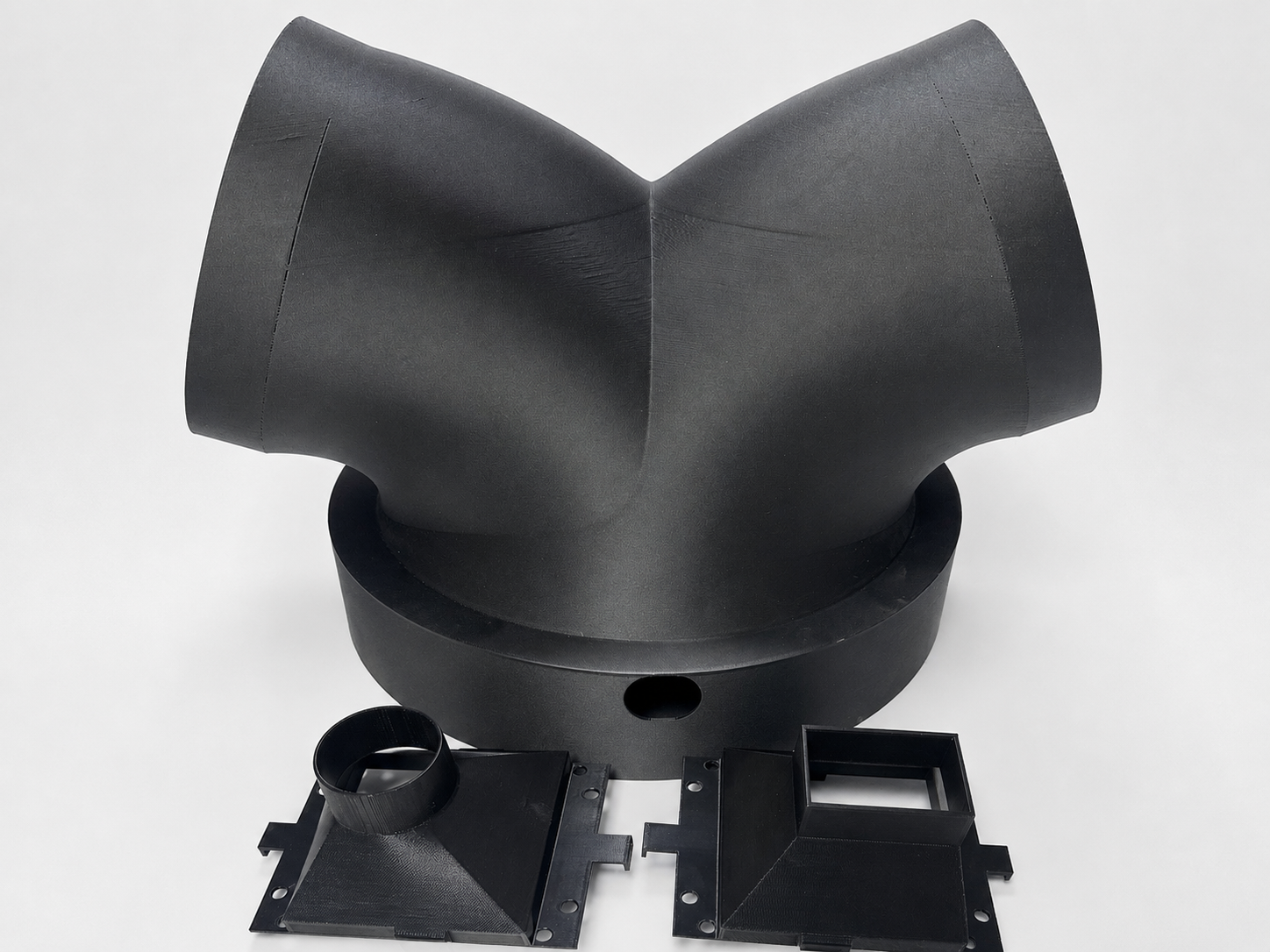
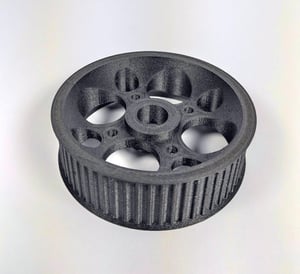
Radiator component printed in PA6-CF, enabling water-soluble support for otherwise inaccessible internal features.
This is where on-demand production delivered value beyond access to a larger machine. INTAMSYS application engineers aligned material behavior, support strategy, geometry, and operating conditions before printing. The FUNMAT PRO 610HT then provided the 610 × 508 × 508 mm build capacity needed to manufacture the large components at the required scale.

.png?width=807&height=410&name=Flap%20Ribs%20(2).png)
.webp?width=756&height=426&name=tianjin-jiguang-intamsys-310-apollo%20(5).webp)
.png?width=3840&height=2160&name=1%E6%9C%8813%E6%97%A5(1).png)
.jpg?width=1856&height=837&name=Image_20240522113613%20(1).jpg)